Ridout Park has been among the more prominent GCB areas in recent years, less so because of its transactions, but because of the controversy surrounding the rental of 2 massive Black & White bungalows by Ministers K. Shanmugam and Vivian Balakrishnan at 26 and 31 Ridout Road respectively. In 2023, an independent review led by then Senior Minister Teo Chee Hean found no impropriety in the rental of their 249,340 sqft (rented at $26.5k / month) and 98,569 sqft (rented at $20k / month) GCBs. A more extensive summary can be found on this Wikipedia link.
The Ridout Park GCBA is fairly large and comprises of homes along Ridout Road, Swettenham Road, Peirce Hill and Peirce Road. It shares its GCB boundary with Holland Park and is located close to Dempsey Hill as well. Interestingly, while its only vehicular entry is via Peirce Road off Holland Road, some houses are much closer to the Queenstown / Margaret Drive area, which would benefit from amenities such as the Queenstown MRT, Queenstown Public Library and Margaret Drive Hawker Centre. I trust that the day would come where the government will build a new road for better vehicular accessibility. That said, there is already a pedestrian footpath close to 43 Ridout Road, where it will be a 15 minute walk from Queenstown MRT.
The GCBA is named after Sir Dudley Howard Ridout, who was born in British India in 1866. He graduated from the Royal Military College of Canada and served in South Africa before being posted to Singapore from 1915 to 1921, where he was the General Officer Commanding Troops of the Straits Settlements. There are a number of large black and white colonial bungalows here, which are said to be built for high-ranking officials in the past. As mentioned in the earlier paragraph, 2 current government ministers live in them, albeit on a commercial rent.
GCBs in Ridout Park tend to be larger than the 15,060 sqft minimum, and despite its relatively large area, are rarely transacted as well. To illustrate the size of some GCBs here, 35 Ridout Road was sold in 2015 for $91.7mil, at a psf of $1,251 for 73,281 sqft of land. Its buyer was logistics tycoon Tan Yeow Khoon, whose company, Cogent Holdings, became a subsidiary of China Cosco Shipping Group in 2018.
Famous owners here include Sheng Shiong cofounder Lim Hock Leng, who conserved the existing century-old bungalow and built an extension on his 33,691 sqft property. He purchased his 27 Ridout Road home in 2014 for $35m at $1,039 psf and its renovations were covered extensively on CNA.
Others include:
Wong Kan Seng – former Deputy Prime Minister of Singapore
Low Tuck Kwong – President-Director of PT Bayan Resources, a coal mining tycoon with a net worth of US$27 billion, ranking him the 3rd richest person in Indonesia. He was born in Singapore before moving to Indonesia.
Karsono Kwee – Executive Chairman of Eurokars, who owns dealerships to Rolls Royce, Porsche, Mclaren, BMW, Mazda among others in Singapore, Indonesia, Australia and China
Ben Chng, – CEO of Viz Branz, an instant beverage maker, who sold a majority stake of his company to Bahrain-based Investcorp for $500mil
Edmund Cheng – Deputy Chairman, Wing Tai Holdings
Calvin Ho – Non-Executive Chairman, First Sponsor Group and billionaire descendant of banker Ho Sim Guan, with substantial shares in UOB Bank and stakes in Calsberg and Heineken Malaysia
Wong Yip Yan – Founder, Wywy Group, which was said to have 76 companies and an annual turnover of over $900mil. He was formerly Chairman of Yeo Hiap Seng as well.
Tan Fuh Gih – CEO of integrated marine company Swissco Holdings
Recent transactions:
Nov 2021: 4A Swettenham Road – $22.5m ($1,461 psf) on 15,398 sqft land
Jun 2021: 31 Swettenham Road – $36m ($1,954 psf) on 18,427 sqft land
Jan 2021: 5 Swettenham Close – $48m ($2,893 psf) on 16,594 sqft land
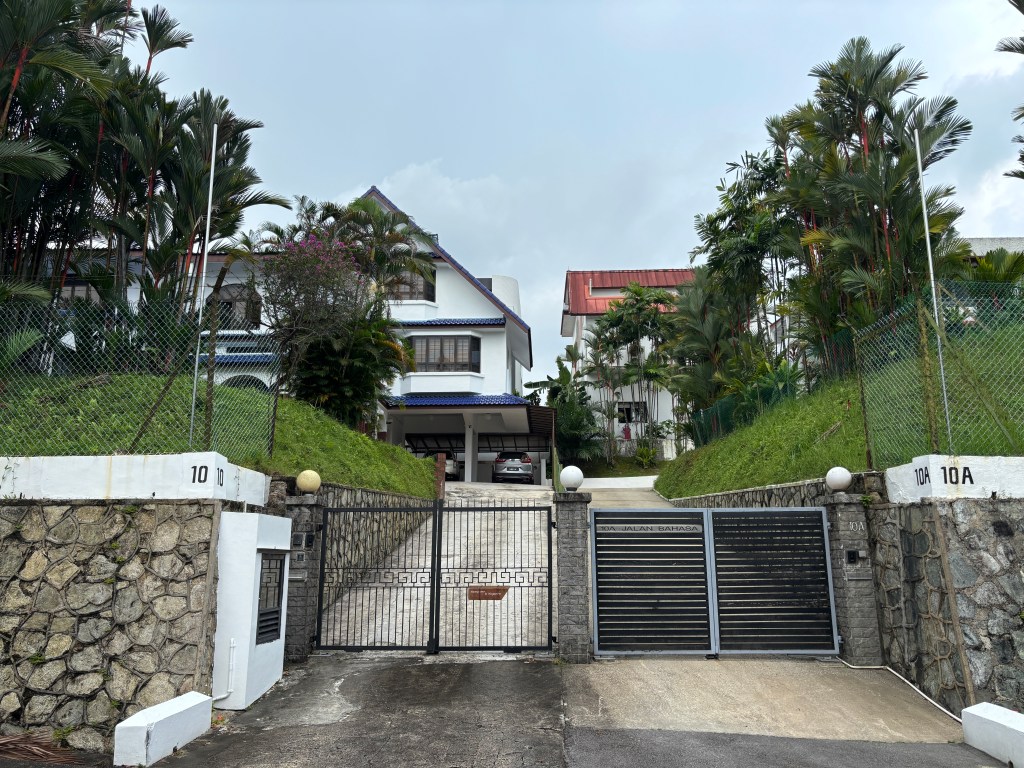
Kheam Hock Road is among the more unique roads in Bukit Timah, extending 1.6km from Dunearn Road to Lornie Highway, which was opened in 2019. The road cuts underneath the PIE and through Bukit Brown Cemetery to Lornie Highway, which connects Upper Thomson Road to the PIE, Adam Road and Farrer Road, giving residents increased connectivity to the rest of Singapore.
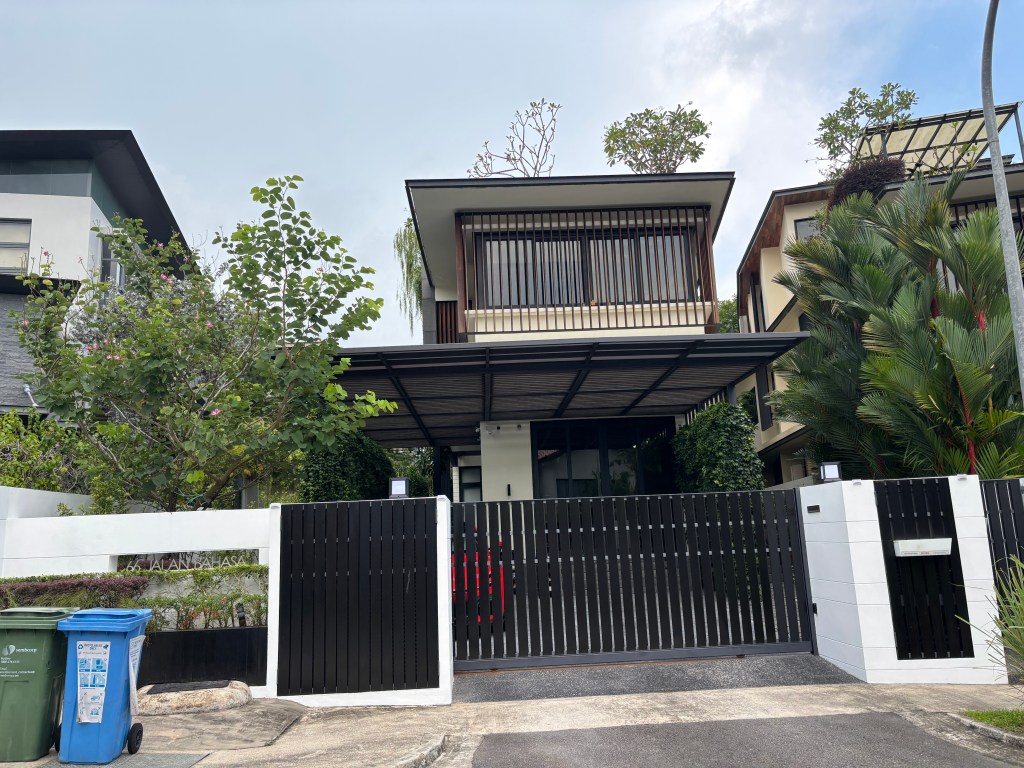
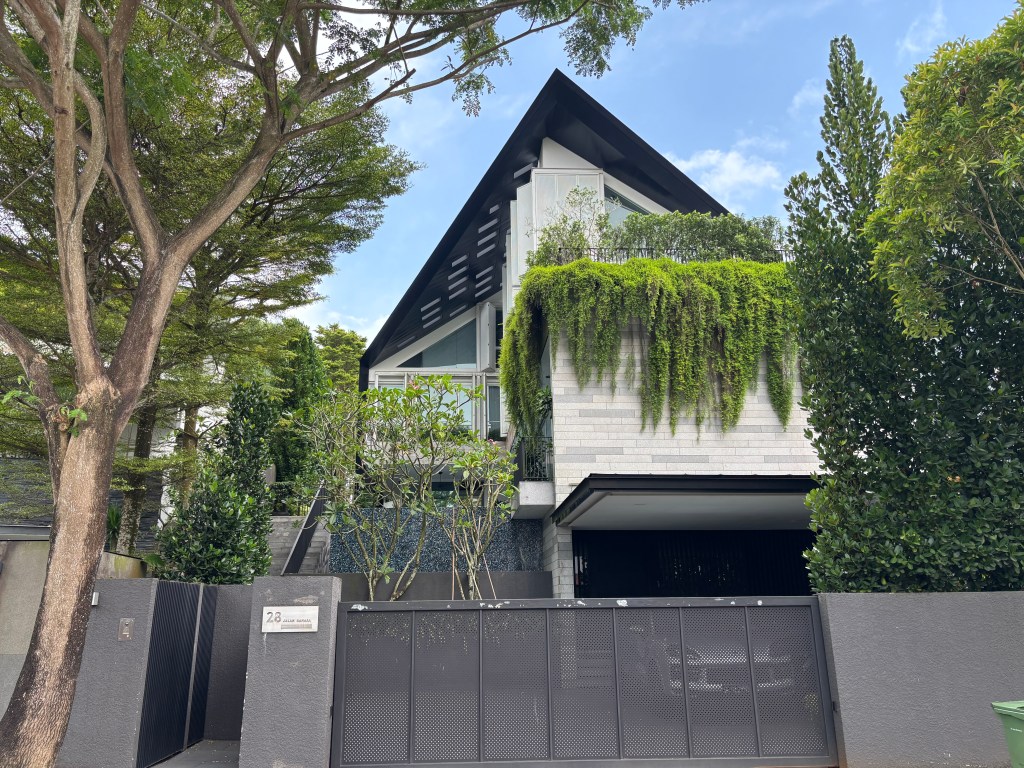
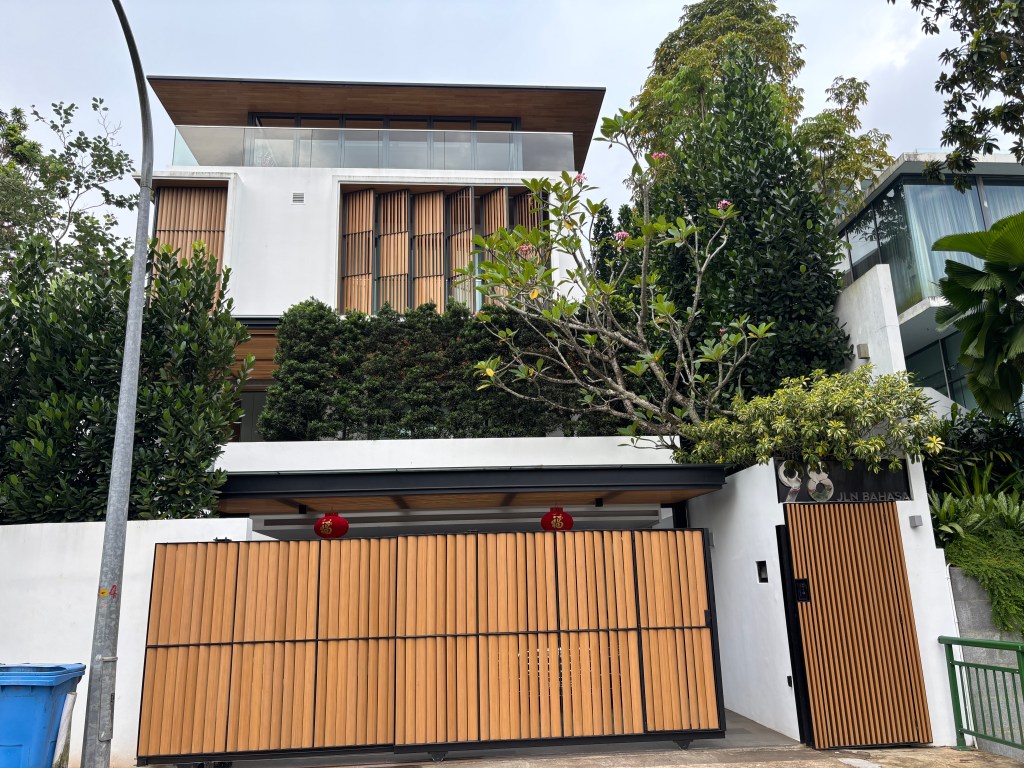
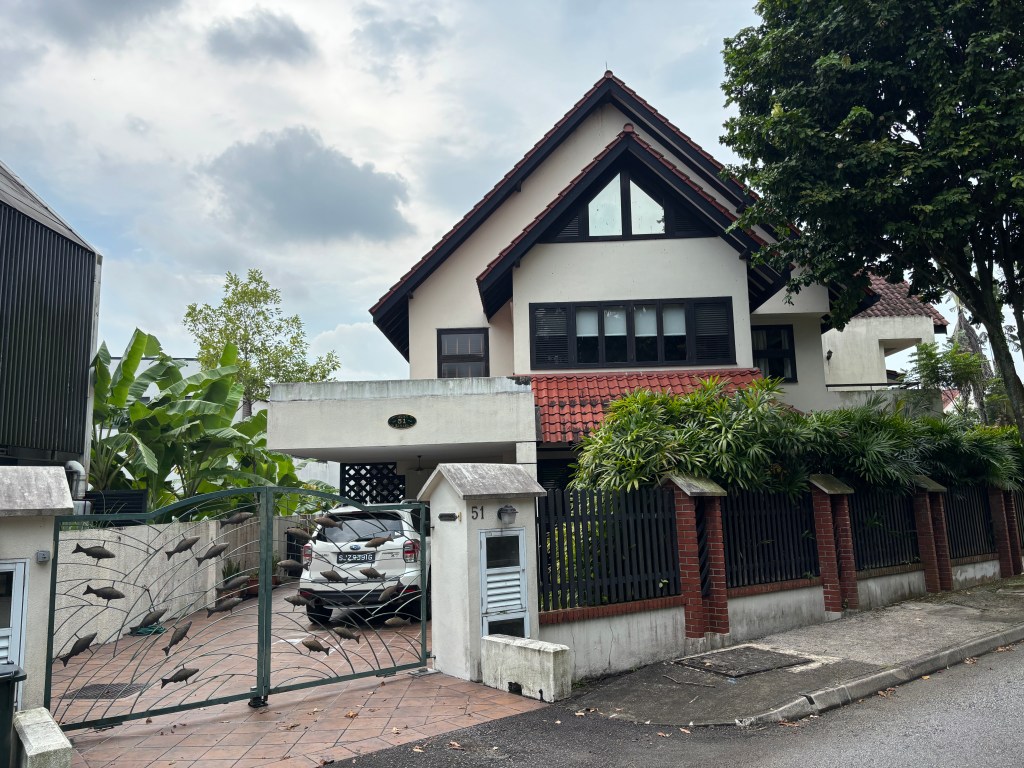
For better orientation, Kheam Hock Road has Trevose / Merryn Road to its East and University Road / Jalan Bahasa to its West. The closest MRT would be Botanic Gardens, with the nearest house about a 10 minute walk away.
Kheam Hock Road was named after Tan Kheam Hock, a Penangite born into a wealthy family in 1862. He was educated at Penang Free School, a preeminent institution in its time, rivalling Singapore’s Raffles Institution. In fact, many of Singapore’s leaders studied at Penang Free School, including Wee Chong Jin, Singapore’s first Asian Chief Justice, Tan Boon Teik, Singapore’s youngest and longest serving Attorney-General (appointed at 39 years old and served from 1969 to 1992), Yeoh Ghim Seng, the longest serving Speaker of Parliament (1970 to 1988) and Ahmad Ibrahim, who served as Minister of Health and Minister of Labour from 1959 till his untimely death in 1962.
Following Tan Kheam Hock’s time at Penang Free School, he joined the Mercantile Bank of India, London and China, a British headquartered bank with operations in the Far East. He spent several years with the bank before establishing his own produce business in Kolkata, India. Years later, he returned to Singapore where he was involved in the opium and spirit trade and presumably where he made a good amount of his wealth from.
Kheam Hock was also involved in politics, having been made a member of the Municipal Commission of Singapore in 1910, where he conceptualised the Bukit Brown Cemetery. Perhaps it is therefore apt that the road leading to the cemetery is named after the very man himself.
Being a prominent businessman, Tan Kheam Hock was also a Director of many companies, including Eastern United Assurance Co. Ltd (Great Eastern today), Sime Darby, Singapore Traders Ltd amongst others. He was also an appointed Justice of Peace. He passed away at 60 after a hemorrhagic stroke, leaving behind his widow, 9 sons and 2 daughters.
Houses at Kheam Hock Road are expensive, given its prestigious location in Bukit Timah. It is on the “Dunearn Road” side, which is zoned as District 11, while houses on the “other side” with the Bukit Timah Road address are zoned as District 10. Not that it makes any difference in terms of asking price, at least to me. The homes here are largely detached and semi-D, with the former outnumbering the latter.
In line with the rest of the market, there is a growing price disparity between new built / turnkey landed homes and those that require A&A / rebuild and the recent transactions here speak to that. Aurum Land’s Anagram collection is the redevelopment of the former Kew Lodge, which was acquired by Woh Hup for $66.8m ($1,940 psf) back in 2023. This has clearly proven to be a shrewd decision given how much the units have since sold for. The houses are still under construction.
A semi-D that is part of the Anagram Homes collection was sold for $13.6m or $4,268 psf for 3,186 sqft of land in February 2025 while a detached house in the same row was sold for almost $20m for 6,265 sqft of land, or $3,192 psf.
Meanwhile, 62 Kheam Hock Road, which is arguably in a much less desirable location as it is closest house to the PIE and hence susceptible to the most road noise, was sold for $1,426 psf or $15m for 10,519 sqft of land in March 2025. Its neighbour, 60 Kheam Hock Road, was sold for a similar psf of $1,461 sqft or $10.8m for 7,394 sqft of land.
The most prominent feature along Kheam Hock Road has got to be Command House at 17 Kheam Hock Road. This majestic structure was built in the 1930s and has served as the official residence of the Speaker of Singapore and briefly for President Ong Teng Cheong. During the British Occupation, it was the official residence of the Officer Commanding of Malaya till their withdrawal in 1971. Swiss bank UBS briefly occupied Command House from 2009 as its training institute but has since vacated it in recent years. I hence had the good fortune of visiting it in 2016, while I was a first year university student as part of a 1-day insight event for its Forex, Rates & Credit business.
Singapore’s residential property landscape has transformed dramatically over the years. From sleepy kampongs and shophouses to high-rise condominiums of today, the aesthetics of what a ‘home’ should look like has changed significantly. Prices of homes have also moved up in tandem with Singapore’s prosperity. The unintended consequence of this is that many ’boutique’ developers of the yesteryear have now gone into obscurity. This comes as land costs, either from en-bloc or Government Land Sales, have increased exponentially and thus increasingly out of reach for small-time developers.
Additionally, with buyer cooling measures and the ABSD Deadline for developers in place, developers run the risk of having to pay huge penalties if they are not able to complete and sell their projects within 5 years. Coupled with much thinner margins than ever before, bidding for a project for a boutique developer would not make much sense anymore.
My intention was to bring more coverage to Singapore-based boutique developers, sharing more about their history, founders and developments which they have been involved in. I expect this to be an evolving list as I gain more information through various sources. There doesn’t seem to be a proper way to get a comprehensive list of developers in Singapore, especially the boutique players (think the likes of Aurum Land, TG Development etc) and I shall start by those which are the easiest to locate – those which are listed on the Singapore Exchange (Mainboard or Catalist).
More specifically, I have limited the search to those which have a market cap of below S$500mil. These are not “boutique” by most accounts but when you compare them to the likes of CDL and UOL (both with a market cap of almost S$5bn), the ones here are definitely much smaller. I have excluded REITs (e.g. Sabana REIT, United Hampshire REIT), overseas and student housing developers (e.g. Centurion, Yoma Strategic, UOA etc) from this article, since the focus is on developers who are involved in the ardrous process of sourcing, acquiring and developing the land in Singapore. I would also point out that given the tepid stock market in Singapore, many privately-owned developers may actually be worth more than those listed on the SGX..
Oxley first built its name as a “shoebox unit” developer back in the early 2010s before venturing into more ambitious and larger scale developments in Singapore and abroad in the latter half of the 2010s. Founded by policeman turned developer Ching Chiat Kwong, who read Sociology at NUS on a Singapore Police Force scholarship, Oxley now has a presence across 6 markets – Singapore, Malaysia, Cambodia, China, UK and Ireland.
In my view, Oxley is ambitious, aggressive and never one to shy away from risks. Indeed, one of the gripes which research analysts have long pointed out is their high leverage ratio. Ching famously took a mortgage on his own home to build his first development, Tyrwhitt 139, which thankfully paid off handsomely as it sold out within 3 hours in 2007. Oxley went on to build many more “shoebox” units, which are generally investment units less than 500 sqft in size to match the aspirations of Singaporeans. Among them are developments which many of you have probably never heard of – Vibes @ Upper Serangoon, Vibes @ East Coast, Vibes @ Kovan, Oxley Edge, Suites @ Katong, Loft @ Stevens, Loft @ Holland etc. Oxley took advantage of ~2017 en bloc boom and were ahead of the market in their acquisitions, allowing them to pocket good gains from much larger developments such as Riverfront Residences, Affinity at Serangoon, Mayfair Gardens, Mayfair Modern, Kent Ridge Hill Residences etc. In total, they launched more than 3,500 units between 2018 to 2019.
Beyond our shores, Oxley also ventured far and wide. Across the causeway, they have built Oxley Towers KLCC and are invested in SO Sofitel Kuala Lumpur. In Cambodia, Oxley built 3 developments that span residential, commercial and hospitality interests, including the Shangri-La Phnom Penh. Oxley has also built a name in the UK, with the Royal Wharf a bustling new area close to the Canary Wharf financial district.
In terms of its ownership, Oxley is largely owned by Ching Chiat Kwong (Executive Chairman & CEO) who holds about 43.8% (S$145mil), Low See Ching (Deputy CEO) who owns 28.6% (S$95mil) and Tee Wee Sien (one of the co-founders who appears to be a passive partner) who owns 11.1% (S$37mil).
Hiap Hoe started life in the 1950s as a construction company before venturing into real estate development and investments. It continues to retain its construction arm, having built and refreshed parts of the PIE, Nicoll Highway, Tuas South Incineration Plant, Changi Airport and Woodlands Checkpoint over the years.
Among its more interesting business ventures is SuperBowl, Singapore’s leading bowling provider with 8 alleys across the island. While bowling seems to be past its prime these days, it was all the rage back in the 1980s and 90s when SuperBowl first started.
Besides its interests in the sporting scene, Hiap Hoe has also built its own industrial building in HH@Kallang and has hospitality interests through its flagship development at Zhongshan Park, which combines a retail mall, office units and a hotel – Aloft Singapore Novena under the Marriott Group and is the world’s largest Aloft hotel at the moment. It also has 2 hotels in Perth (Aloft Perth and Great Eastern Motor Lodge) and 1 in Manchester (Holiday Inn Express Manchester – TraffordCity).
Hiap Hoe has developed a number of residential developments over the years, including a number of them in the prime districts of 9, 10 and 11, including the likes of Proximo, Signature@Lewis and Treasure on Balmoral in Bukit Timah and Waterscape at Cavenagh, Cuscaden Royale and Skyline 360 in Orchard. Most of them have less than 100 units and are considered boutique developments and when viewing a unit at Waterscape at Cavenagh, it was brought to my knowledge that Hiap Hoe continues to hold on to a number of units there as part of their investment portfolio, as with some units at Treasure on Balmoral. This build-to-hold strategy has definitely paid off over the years with rising asset prices but will get increasingly difficult to justify with ABSD deadlines for developers.
In terms of its ownership, Hiap Hoe is largely owned by Teo Ho Beng (Executive Chairman and its former CEO) who has a deemed interest of 74.3%, which works out to be worth S$208m at today’s prices.
Tuan Sing was founded back in 1969 and was listed on the SGX shortly after in 1973. It has a regional focus, with residential, commercial and hospitality interests in Singapore, Indonesia, Shanghai and Australia (Perth and Melbourne). It also has a ~8% stake in a real estate company in Sanya, China, and a 2% stake in aBali-based development company.
Besides real estate, Tuan Sing is also invested in several other unrelated industries. These include a 100% interest in Hypak, a Malaysian industrial packaging producer and supplier of polypropylene woven bags and laminated bags, ~45% stake in printed circuit board maker GulTech and a 49% stake in golf distributor Pan-West.
I am personally vested in Tuan Sing, having purchased 1 lot (1,000 shares) at $0.47 back in 2015, which means that I continue to be in red, as with all of my Singapore stocks. The reason for the purchase was because of the diversified real estate holdings Tuan Sing has, which is reflected in its NAV of $1. Tuan Sing’s crown jewel is undoubtedly 18 Robinson, an award winning Grade A office development designed by the renowned Kohn Pedersen Fox Associates. 82% of the land it sits on is 999 years, which is as good as Freehold. Other assets include Link@896 along Dunearn Road, which the Group shared publicly that it may have plans to turn it into a hotel or serviced apartment, the 11th floor of Far East Finance Building along Robinson Road and 3 floors of The Oxley along Oxley Rise.
Its more lucrative foreign assets are in Australia, which includes Grand Hyatt Melbourne and Residence on Langley Park in Perth. Both are these are very dated, with the former having been built in the 1980s. As such, Tuan Sing has announced plans to redevelop Grand Hyatt Melbourne to transform it into luxury retail and F&B precinct. Tuan Sing also expanded its hospitality portfolio through the $140.9mil purchase of Frasers Residence Riverside Promenade in Singapore (part of the Riviere residential development) in 2024.
Chuan Hup was first listed on the Singapore Exchange back in 1983, having first been founded in the 1950s as a hardware trading business. They were subsequently involved in the marine sector, operating its tug and barge business when it was listed on the SGX. They described themselves as the largest “owner and operator of offshore vessels” in ASEAN from 1985 to 1986, an impressive feat for a fledging company.
They started diversifying from its marine roots since 2001, when its first real estate development, The Clementvale, a 99-year cluster of landed homes near Clementi were completed. In 2005, Chuan Hup had divested from its marine business to Scomi Marine Berhad and evolved into an investment company.
Chuan Hup ventured further abroad, into a territory familiar with a number of Singapore developers – Australia. With its JV partner Finbar, they sold out a 142-unit apartment block, Reflections, in Perth in 2009 and further developed more properties with Finbar in the years that followed.
In Singapore, Chuan Hup also entered into the office space in 2014, acquiring 3 floors of GB Building along Cecil Street. The most recent transaction at GB Building was the sale of the 26th floor for $10.88mil ($1978psf) in October 2024. Chuan Hup added to their office portfolio by acquiring 1 floor at The Central, where it now also houses its corporate office.
In a bid for further diversification, in 2021, they have ventured outside of Western Australia into Queensland, with 2 property developments in Surfer’s Paradise and have also partnered with Brand New Land Group (https://brandnewland.com.sg/portfolio/property-portfolio/paulownia/) to launch a pair of semi-Ds in Upper Bukit Timah, in relatively close proximity to its maiden development in Clementi.
SingHoldings was founded in 1964 and despite its long history, it was one of the later players to be listed on the Singapore Exchange, having only listed in 2007. Its trendy new logo was released as part of its 60th anniversary in 2024, reinventing the company for its next chapter.
It participated in the first Bayshore GLS exercise in March 2025, ultimately coming up short against SingHaiYi, another developer which I will cover eventually. SingHoldings’ latest development is North Gaia, an Executive Condo in Yishun launched in 2022 and expected to be completed in 2025. As such, I presume it is an appropriate time for them to look to replenish their landbank.
As compared to Chuan Hup, SingHoldings is a much more active developer in Singapore, with a good track record across boutique and larger sized developments in the heartlands and prime districts. More affordable developments include those in the OCR – Parc Botannia in Sengkang and Waterwoods in Punggol while they have proven equally adept at luxury developments in the form of Meyer Residence at Meyer Road, Bellerive at Keng Chin Road, Robin Residences at Robin Drive and The Laurels at Cairnhill Road.
As with most other developers on this list, SingHoldings also has exposure to commercial and industrial properties, having previously built EastGate along East Coast Road (I attended many weekend tuition classes there) and BizTech Centre along Aljunied Road. The Group continues to own 24 strata units in the latter, with an average occupancy rate of 83%.
SingHoldings also has hospitality assets in the form of a 291-room hotel in Travelodge Docklands in Melbourne, which has an average occupancy rate of 70% according to its 2023 Annual Report.
For commercial and industrial projects, the Group developed BizTech Centre at Aljunied Road, EastGate building along East Coast Road and Ocean Towers in Shanghai, People’s Republic of China.
The founding Lee family’s ownership interest in Sing Holdings stands at ~40%.
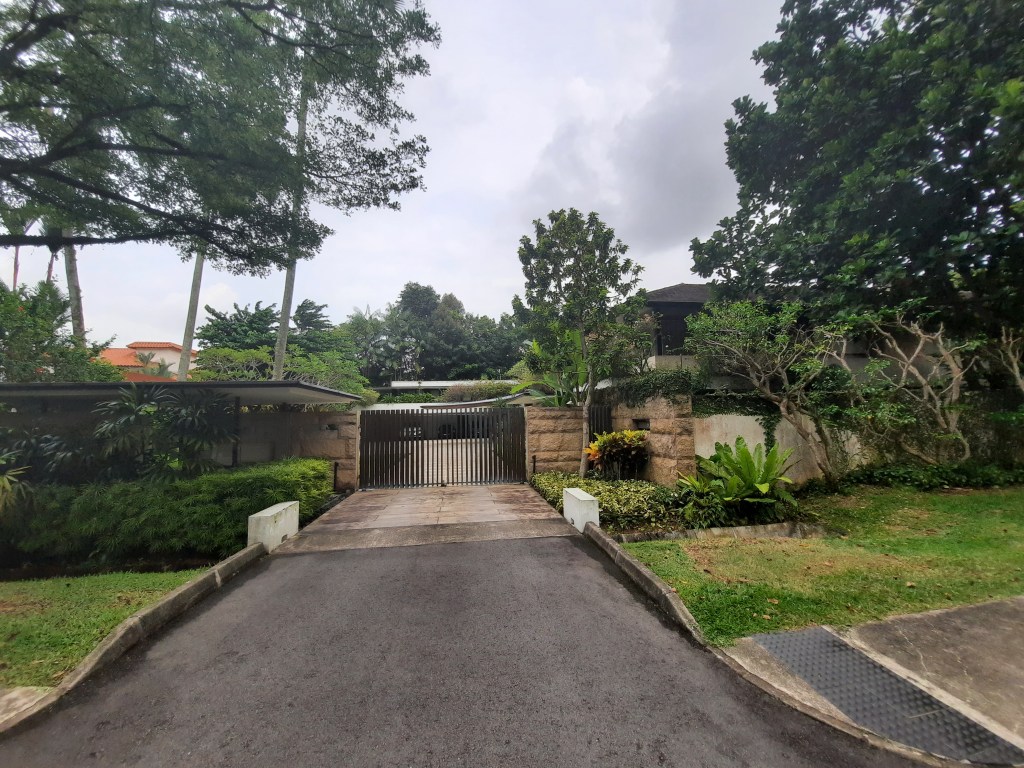
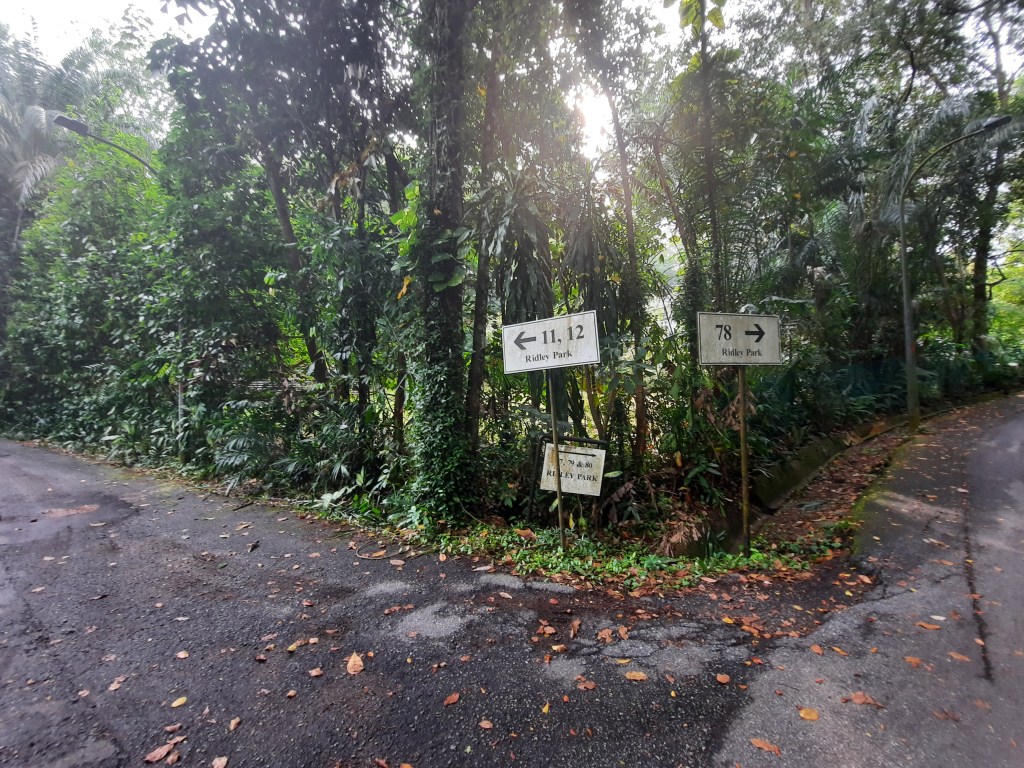
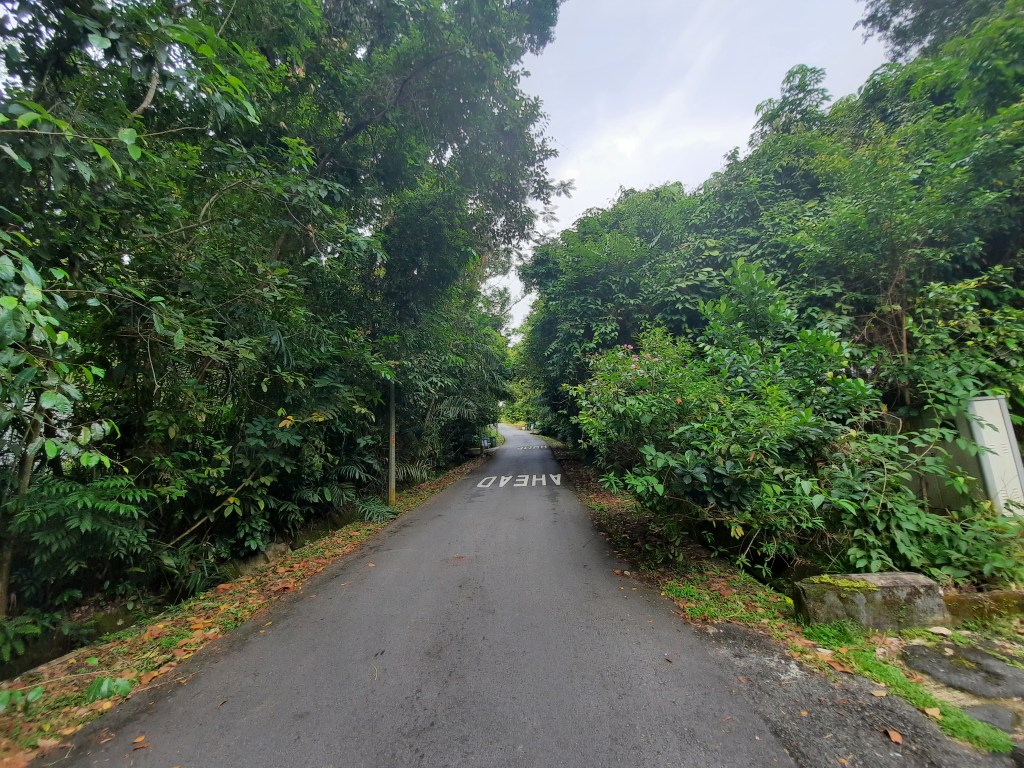
Ridley Park is one of the most exclusive and yet least mentioned GCB areas – in my opinion, it doesn’t get as much attention as the likes of Nassim or Cluny Park but ought to be mentioned in the same breath. You could say that i’m a retrospective genius, since I am writing this after a Tanglin Hill GCB sized at 15,150 sqft was just sold at a record $6,200 psf or $93.9mil. This GCB is still under construction with a rather unspectacular design, which makes me wonder what made this buyer fork out this much.
This GCB estate includes houses on both Ridley Park and Tanglin Hill and is located off Tanglin Road, which connects Alexandra Road and Grange Road. It is also opposite the largest GCB estate, Chatsworth Park, which I had written a 5-part review on (12345). The nearest MRTs are Orchard Boulevard (~20 minutes walk) and Redhill (~25 minutes walk).
It is also connected to the Dempsey area via Loewen Road
Ridley Park is named after Henry Nicholas Ridley, the first Director of the Singapore Botanic Gardens, which is now a UNESCO World Heritage Site. I don’t recall learning much about him in school, but a Malaysian friend who recently visited shared that they learnt extensively about his contributions to the rubber industry. Through the conversation, I learnt that H.N Ridley had pioneered the herringbone method for rubber tapping, which allowed latex to be retrieved up to 3 times a day. It’s no surprise that despite spending the bulk of his 23 years in Southeast Asia mostly in Singapore, he is more revered in Malaysia since his contributions must have propelled them to being the world’s largest rubber producer. The Oxford educated botanist was deeply passionate about his job and gave botany lectures at the predecessor of NUS (King Edward VII School of Medicine). He also diligently promoted rubber and was often found carrying rubber seeds in his pocket in a bid to encourage more to cultivate them. Many sources have picked up the fact that “Mad Ridley”, as he was nicknamed, only got married at 83 and died at a ripe old age of 101 in Kew, London.
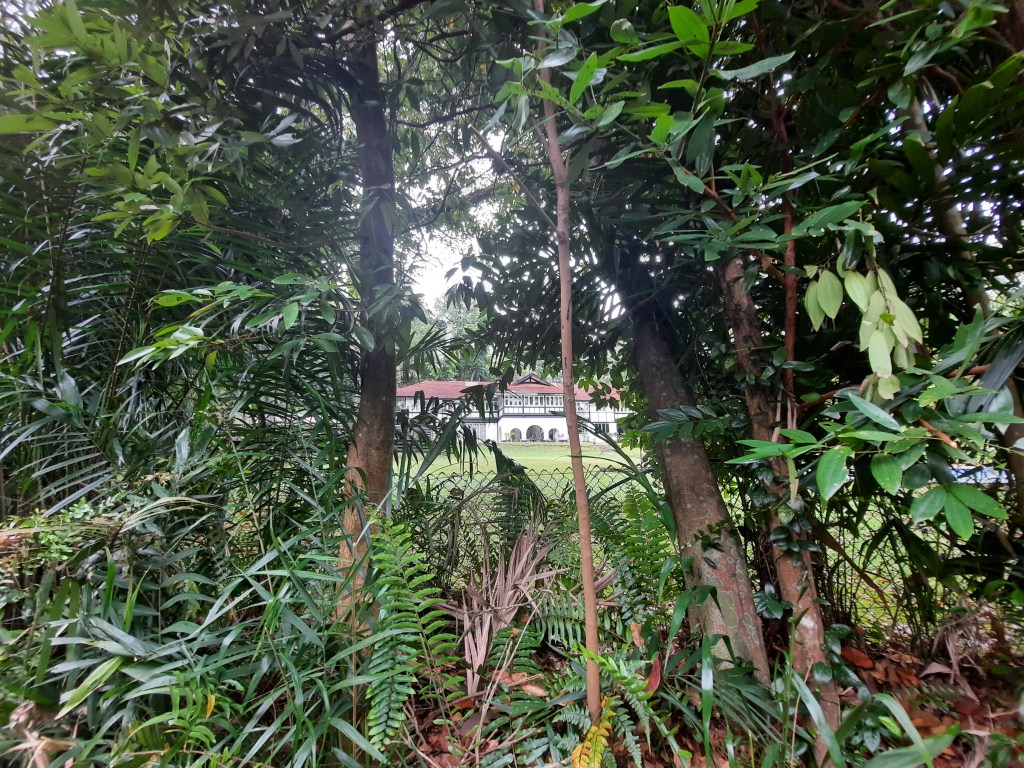
Since this GCBA is predominantly populated by black and white houses, I estimate there to only be less than 35 GCBs that are actually privately-owned. The black and white houses here are pretty huge and were constructed between 1923 to 1935 either for senior government officials or military officers given its proximity to the Tanglin Barracks (which is known as Dempsey today). These are available for rent from the Singapore Land Authority, with the one at 17 Ridley Park being awarded at $25k a month.
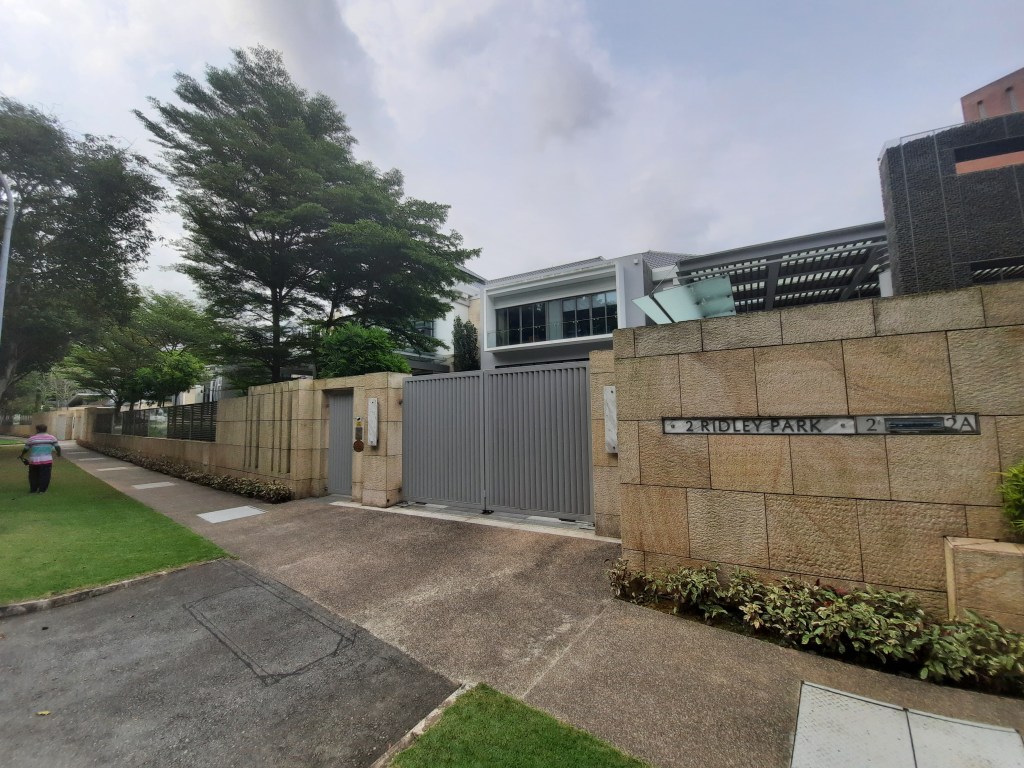
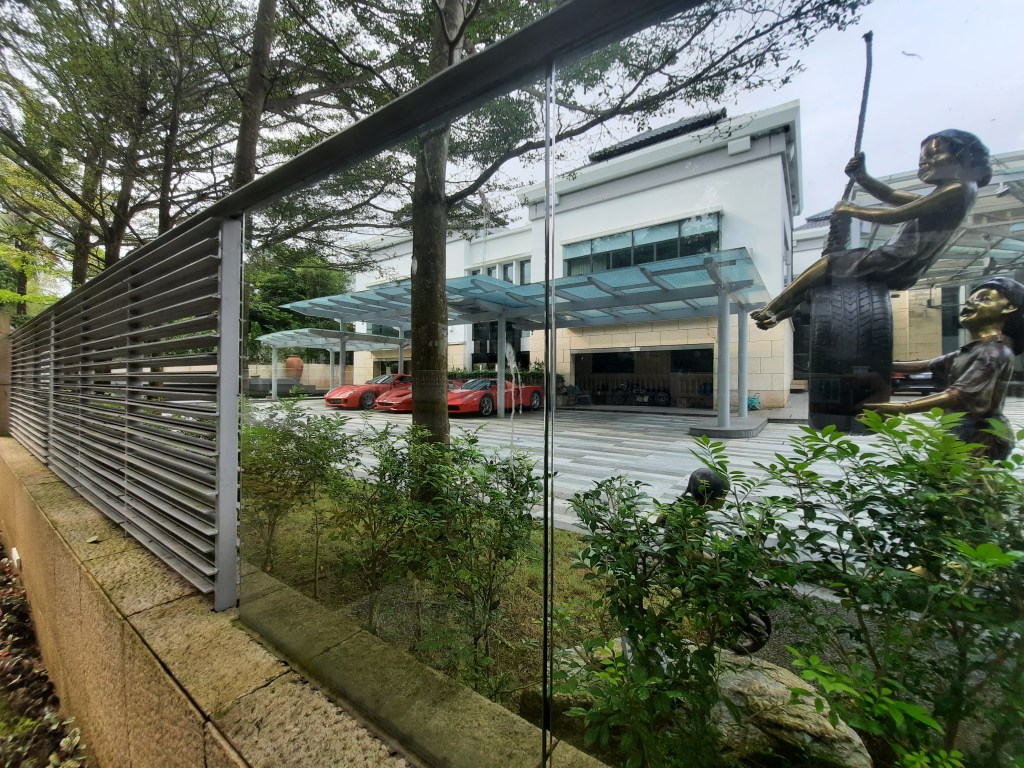
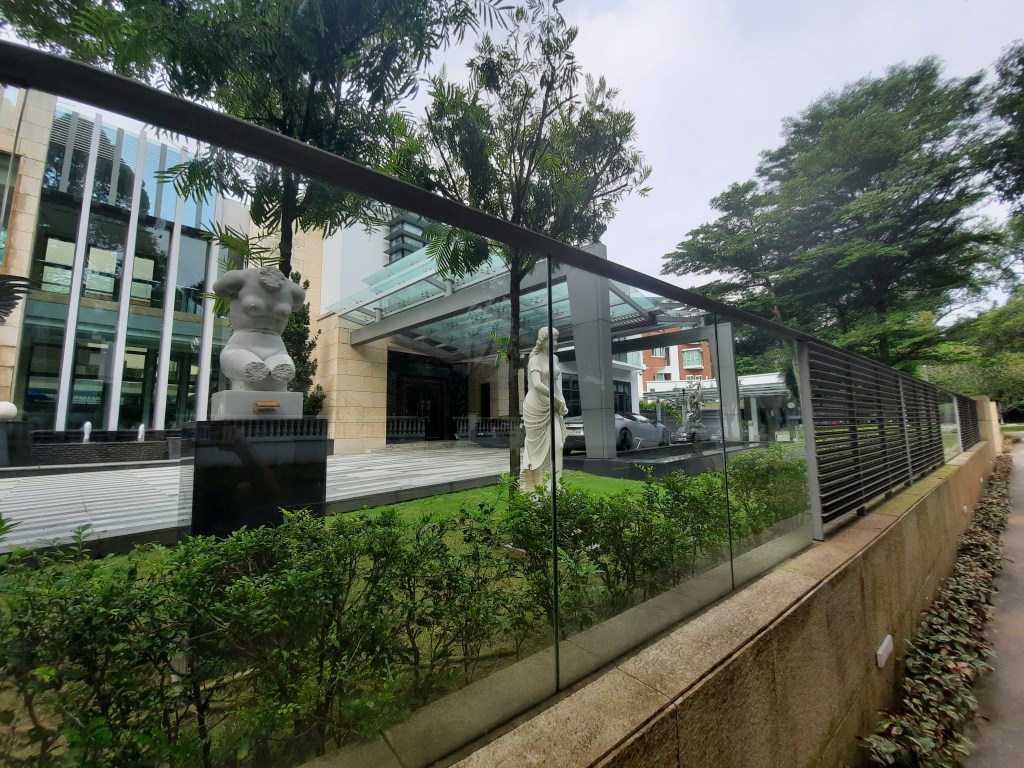
As for the privately-owned homes, the most famous of them has got to be 2 Ridley Park, which is owned by Tommie Goh Thiam Poh. He purchased it in 1998 for $12mil ($385 psf on 31,151 sqft of land) The house is made famous not only because of its size but Tommie Goh’s extensive collection of Ferraris, many of which are limited edition. He’s much more low profile these days but his achievements should definitely be highlighted for my generation (30s and below). Tommie Goh was an O’Level graduate who had signed on as a SAF regular officer for 13 years before founding JIT Holdings in 1988. His initial investment of $100k reaped a return of 11,600x when JIT was sold to Flextronics for $1.16billion in 2000. JIT Holdings was one of the many firms which benefitted from HP’s presence in Singapore and was HP’s largest contract manufacturer at its peak. It also made all of Motorola’s mobile phones. Since selling JIT, Tommie Goh founded 2G Capital which invests in listed and unlisted companies. Huge respect for this man!
If you are interested in purchasing a GCB at Ridley Park, OK Lim’s GCB at 1K Ridley Park looks like it has yet to be sold since being listed in June 2024. As you would know, Hin Leong has been embroiled in massive scandal and the family have liquidated their GCBs at Second Avenue and Third Avenue. The 15,636 sqft plot at 1K Ridley Park has an asking price of $43mil or $2,750 psf. Quite a bargain if you compare it to the $6,200 psf someone paid recently!
Other famous owners in this GCB estate include Hong Leong Group and City Developments Executive Chairman Kwek Leng Beng, who continues to own huge swathes of empty land here (estimated at close to 150,000 sqft) and KhattarWong and Khattar Holdings Founder Sat Pal Khattar. The High Commission of Brunei used to be at Tanglin Hill as well.
There are also a number of old but prominent condos at Ridley Park, which includes Tanglin Park, Tanglin Hill Meadows and Tanglin Rise. Tanglin Park is my personal favourite, as the design just looks the most timeless and the condition seemingly best maintained among the 3. My wife and I also considered this condo when we were shopping for our matrimonial home in 2021, as prices were around $1800-$2000 psf then, which was not far from what we eventually paid for another development in District 10. Prices haven’t inched up that much compared to the rest of Singapore, with transactions at $2209 psf for a 7th floor 3 Bedroom unit in July 2024. Great value if you drive and want the prestige of living in Ridley Park / Tanglin Hill!
Rebecca Park is the smallest GCBA of the 39 in Singapore at just 3.84ha (414,411 sqft). It is located among the cluster of 9 GCBAs and you can get there via Victoria Park or Bin Tong Park. Testament to its size, I estimate that there are only about 23 GCBs within this estate, making it extremely rare to find one on the market. Moreover, a few of them are actually black & white bungalows which may be owned by the government.
It’s on a downslope for parts of the estate and I would describe Rebecca Park as being extremely residential. It’s really in the heart of the GCBA cluster and you will not find yourself there unless you are visiting someone or walking around aimlessly like what I enjoy doing. GCBs here are also mostly smaller than the required size, with a number of them between 10,000 to 14,000 sqft.
Given the scarcity of GCBs in this area, the last transaction was in 2021 when 37 Rebecca Road was sold for $29mil ($1,418 psf) for 20,449 sqft of land. The previous owner is one of the most famous social climbers, making the switch from a HDB to a GCB back in 1999, paying $5.5mil ($269 psf). 37 Rebecca Road was recently rebuilt by Timur Designs in 2019. As one might expect, the who’s who in Singapore architecture will be in involved in GCBs here and Guz Architects built 19 Rebecca Road in 2013 and K2LD was involved in 17 Rebecca Road in 2015.
Past sales figures of GCBs here showcase the significant gains buyers have made over the years: Nov 2020 – 14,380 sqft for $21.5mil ($1,495 psf) May 2012 – 10,800 sqft for $17mil ($1,574 psf) Dec 2009 – 13,791 sqft for $12mil ($870 psf) Aug 2009 – 11,428 sqft for $10.6mil ($928 psf) Mar 2006 – 12,151 sqft for $6.1mil ($498 psf) Oct 2005 – 12,998 sqft for $6.7mil ($515 psf) Apr 2004 – 12,151 sqft for $5.2mil ($426 psf)
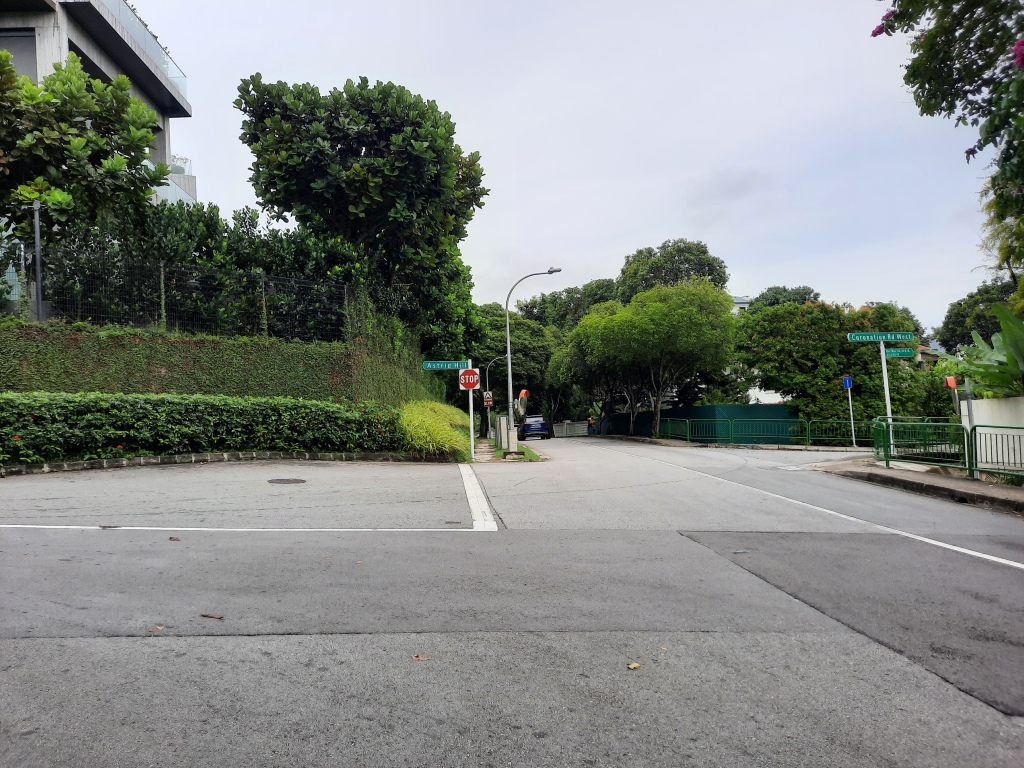
If you recall Singapore’s original Monopoly game, Queen Astrid Park was one of 2 most expensive areas alongside Nassim Road, highlighting its ultra luxury status in the local property scene. It is one of the largest GCBAs and includes properties on Coronation Road West. It is located off Sixth Avenue and Holland Road and shares the boundary with Oei Tiong Ham Park GCBA.
Queen Astrid Park was named after Astrid of Sweden, who later became Queen of the Belgians as King Leopold III’s first wife before she died at 29 in a car accident. This GCBA was likely developed by the same Belgian bank who developed King Albert Park GCBA.
Even among the GCBAs, Queen Astrid Park is regarded as one of the more exclusive ones. I believe this is because of most GCBAs here are larger than the 15,069 sqft requirement, implying a much higher quantum for buyers. Despite being a larger GCBA, units also do not come up for sale often. More recently, 19A Queen Astrid Road, a newly completed 25,439 sqft house designed was rented out to a Chinese national for $200k a month in June 2022. That’s a whopping $2.4mil a year!
Some of the known past and present residents in this estate include TikTok CEO Chew Shou Zi, who paid the record $2,704 psf for his GCB here in 2021 and “Ferrari Lady” Shi Ka Yee, originally an architect with well known eponymous practice Bedmar & Shi before she got into the press for the wrong reasons in the 2010s.
Others include:
K. Shanmugam, Singapore’s Minister for Home Affairs and Law
Koh Boon Hwee, Chairman of SGX, Rippledot Capital Adviser, Sunningdale Tech and Agilent Technologies
Kuok Khoon Hong, billionaire CEO of Wilmar International
Susilo Wonowidjojo – Indonesian billionaire founder of cigarette maker Gudang Garam
Stephen Miller, President & CEO of ST Telemedia
Tan Soo Nan, former CEO of Singapore Pools
Frederick Tsao, Vhairman of IMC Pan Asia Alliance
Nicky Tan, founder of corporate restructuring firm nTan Corporate Advisory
Kho Hui Meng – former President & CEO of Vitol Asia
Nasrat Muzayyin, oil & real estate tycoon, multi-asset family office Sebrina Holdings
Dr Ho Choon Hou, Managing Director at private equity firm Southern Capital and Co-Founder of Cordlife
Ng Keng Sing of oil company Midas NSSG International
Stephen Diggle – Founder & CEO of Vulpes Investment Management
Oei Tiong Ham Park is located off Holland Road and situated in the ‘core’ GCB cluster, bordered by 9 GCB Areas including Queen Astrid Park, Leedon Park and Ford Avenue. This GCBA also includes houses along Jalan Sampurna. Some of the GCBs at Oei Tiong Ham Park are within walking distance to Holland Village MRT.
This is the only GCBA to be named after an Asian man with Eng Neo Avenue being the only GCBA to be named after an Asian woman. For those in the know, Oei Tiong Ham was a legend and visionary. At the point of his death in 1924, this Indonesian Chinese was said to be the richest man in Southeast Asia, triumphing contemporaries such as Eu Tong Sen, Tan Kah Kee, Loke Yew and Lim Peng Siang. Oei Tiong Ham controlled much of the global sugar market through his firm Oei Tiong Ham Concern (OTHC) which had branches in Amsterdam, Bangkok, London, Singapore and New York. Besides sugar, OTHC was also involved in opium, shipping, banking and property development before being forced to nationalise by the Indonesian government in 1961.
Make no mistake, Oei Tiong Ham grew the company rapidly but he did come from wealth. His father, Oei Tjie Sien founded Kian Gwan, a commodities trading company which prospered in the 1870s. However, one should not discredit the business acumen of Oei Tiong Ham for it is said that their management styles were worlds apart – the elder Oei espoused traditional Chinese-styled management while the young Oei embraced western ideologies. He snipped off his queue (pigtail hair) in an unprecedented move, embraced legal contracts (over gentlemen’s agreements)and employed professional management (Dutch university graduates, engineers etc) instead of hiring solely from the family.
Alas, succession did prove to be an issue following his untimely death in 1924. While he was still traditional in the sense that he excluded daughters from his inheritance, many of his sons who had joined OTHC’s management proved to be less than able to lead the company through the next chapter. Combined with a shift in political climate under Sukarno’s leadership, which saw a wave of anti-Chinese sentiment and OTHC being regarded as a symbol of Dutch colonialism, OTHC had its Indonesian assets nationalised and overseas subsidiaries significantly downsized over the years. There are still surviving entities, such as Kian Gwan Engineering Pte Ltd in Singapore and Kian Gwan Commercial in Thailand but I would not blame you if you have never quite heard of them.
This is one of the smaller GCBAs but also one of my favourites. I find the houses here rather homely and cosy, though I’m not sure if they are ironic descriptions of some of the largest homes in Singapore. That said, most of the GCBs here are on the smaller side, as highlighted by the recent transactions below.
Mar 2022: $22.8mil – 10,933 sqft ($2085psf) Dec 2021: $17mil – 13,611 sqft ($1249psf) Aug 2021: $18mil – 10,314 sqft ($1745psf) Jul 2020: $15mil – 13,227 sqft ($1134psf) May 2020: $16.2mil – 10,061sqft ($1610 psf) Feb 2020: $19.5mil – 15,217 sqft ($1281psf)
Interestingly, there are also apartments within this GCBA. One is a small 6-unit walk-up apartment (Villaea Vista) within this GCBA at 31 Oei Tiong Ham Park completed in 1959 and while there is much newer 9-unit apartment (Oei Tiong Ham Residences) at 29 Oei TIong Ham Park completed in 2013. This is being held entirely by private investment firm Wywy Group founded by Dr Wong Yip Yan and put up for sale at $100mil in 2021.
Other famous owners / occupants in this GCBA are said to have included Chairman of Allgreen Properties and niece of Robert Kuok, Kuok Oon Kwong, Chairman of CWT Logistics, Loi Kai Meng and senior / board members of Asti Holdings and Altus Logistics.
Nassim Road is Singapore’s most exclusive and prestigious address. Singapore’s most expensive GCB is found here, when Wing Tai’s Cheung Wai Keung sold 33 Nassim Rd, with 84,544 sqft of land, at $230m ($2,720 psf) in 2019 to SG Casa, a trust reportedly owned by Facebook co-founder Eduardo Saverin.
The previous price record was also along Nassim Road in 2018, when Tony Tung, Chairman of oil trading company Winson Group, purchased his Nassim Rd GCB for $108m.
The sales that followed were no slouch either – in 2021, Jin Xiao Qun, wife of Nanofilm Techologies’ founder Dr Shi Xu, purchased a 32,159 sqft GCB for $128.8m, setting a (then) psf record of $4,005. If you played Monopoly in the 2000s, you will recall that Nassim Road (and Queen Astrid Park) occupied the costliest blue slots and the transactions have shown that this is no exaggeration.
Nassim Road is a 2km stretch bounded by Cluny Road and Tanglin Road, striking the perfect balance between nature (Botanic Gardens) and lifestyle (Orchard Road). Nassim is of Arabian origin, meaning ‘breezy’, with many Muslim families in the Middle East supposedly adopting this name. It is speculated that Nassim Rd may have been named after connections with the Alsagoff family, a successful spice enterprise family of Yemeni roots, who owned land on Nassim Rd. This family were also involved in the Bukit Tunggal GCBA.
Nassim Road is also officially a conservation area designated by URA, alongside Chatsworth Park, Holland Park / Ridout Park, hence it is no surprise that you will find beautifully conserved houses such as the one at 2 Nassim Road, which is being tenanted to pan-Asia real estate manager SC Capital today.
Nassim Rd’s exclusive nature has meant that many foreign embassies call this home. This includes the embassies of Russia, Japan, Pakistan, Philippines and the iconic Eden Hall at 28 Nassim Rd, designed by R.A.J Bidwell and now home to the British High Commissioner.
The British government had sold 109,000 sqft of Eden Hall back in 2001 to billionaires Peter Kwee of Pontiac Land and Popiah King Sam Goi for just $50.4m ($462 psf) and since sold them on to Oei Siu Hoa, sister of Oei Hong Leong of the Widjaja family fame and Sincere Watch Chairman Tay Liam Wee. A further 33,300 sqft of Eden Hall was sold in 2016 following a public tender to OUE at $56.6m ($1,699 psf).
Nassim JadeLes Maisons Nassim
Besides the magnificent GCBs found in this estate, there are also a number of condos with the Nassim address, including the ultra luxurious Les Maisons Nassim, which has reached a record of $6,073 psf. This is still under construction and was the enbloc site of 14/14A Nassim Road, which was owned by the descendants of Tan Siang Kuang, a prominent Teochew businessman and the 1st Chairman of Overseas Union Bank. He and his family, Puay Hee (son) and Siak Kew (brother) have roads named after them in Macpherson, where my mum first lived after graduating with a Bachelor’s degree in London. This low profile family was in the news in 2018, having sold their palatial 66,452sqft home at 14/14A Nassim Rd for a whopping $218m ($2,744psf) to Stanley Ho’s Shun Tak.
Nassim Jade, another condo within the prestigious enclave, was the subject of great national contention after Ong Beng Seng’s Hotel Properties Limited launch in 1996. The issue surrounded discounts which were purportedly offered to Lee Kuan Yew and his family, prompting an official statement by the then-Senior Minister here. His son, former Singtel CEO Lee Hsien Yang, also reportedly stays in a condo in the Nassim precinct today.
Among the rich and famous owners in this GCBA are the Prince of Brunei, Jefri Bolkiah, who owns the palatial 110,000 sqft house at 48 Nassim Rd. If it goes on sale, Arwaa Mansion, as it is known, will definitely smash the costliest house in Singapore. I fondly recall spotting this majestic mansion from the balcony of an apartment I was viewing along Stevens Road – absolutely amazing! Interestingly, I understand from friends that the empty field beside is now a popular spot for wedding photos!
Arwaa Mansion at 48 Nassim RoadArwaa Mansion at 48 Nassim Road
There is also Hong Fok CEO Cheong Pin Chuan, who has listed his 40 Nassim Rd (58,784 sqft) house for sale in March 2022 with a guide price of $220m ($3,755 psf) and OUE Chairman Stephen Riady, who purchased his 33,300 sqft plot for $56.6m ($1,700 psf) in 2016. Both have significant real estate interests, owning and developing iconic buildings such as The Concourse, OUE Bayfront and Hilton Singapore Orchard amongst them.
If you are in the market with a similar budget of $225m, you can also opt for Peter Kwee’s Nassim Quattro, a 4-apartment site at 49 Nassim Road, occupying 45,000 sqft of land. Designed by Mercurio Design Lab, it has a long 85m private driveway to ensure maximum exclusivity with a private swimming pool for every unit. The firm has described much of its design on their website. The total cost of land acquisition? Likely less than $100m as the Kwees had landbanked it progressively since the 1980s, with the last piece of the puzzle completed in 2007 with a $70m acquisition of 49A-D Nassim Road.
Other prominent past & present owners / occupants in this estate (including its condos) include ST Telemedia CEO Stephen Miller, The Hour Glass Founder Dr Henry Tay, Indonesian billionaire Peter Sondakh of the Rajawali Group, Asia Reinsurance Broker CEO Richard Austen, serial property investor Kishore Buxani and REIT veteran Michael Dwyer.
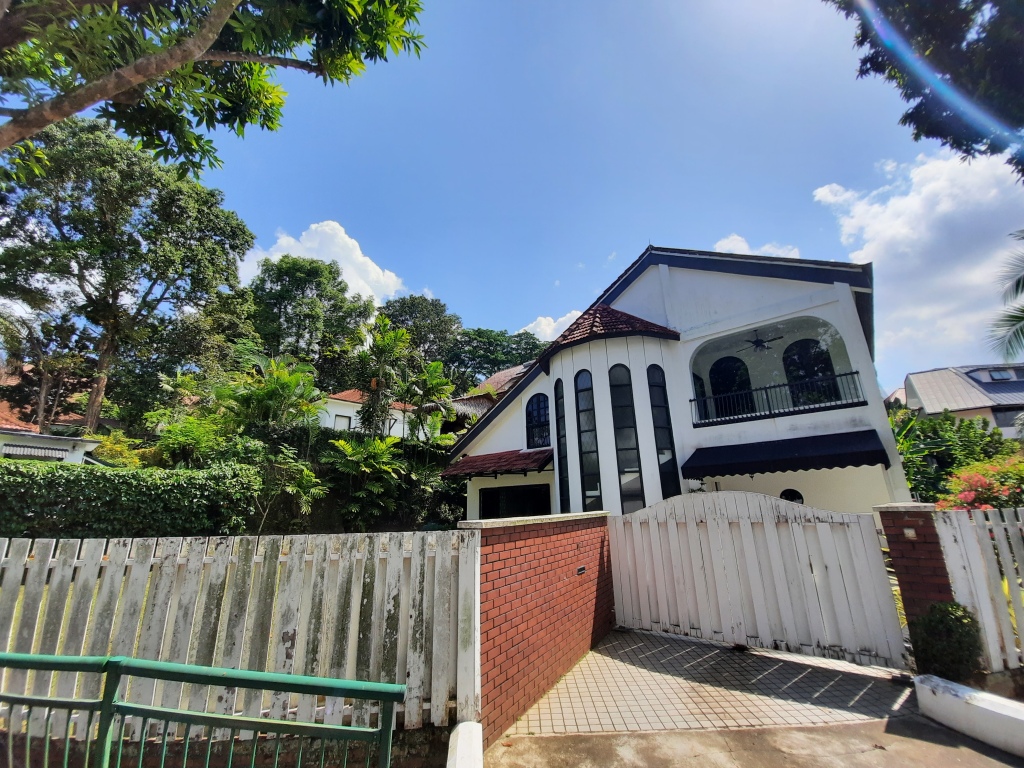
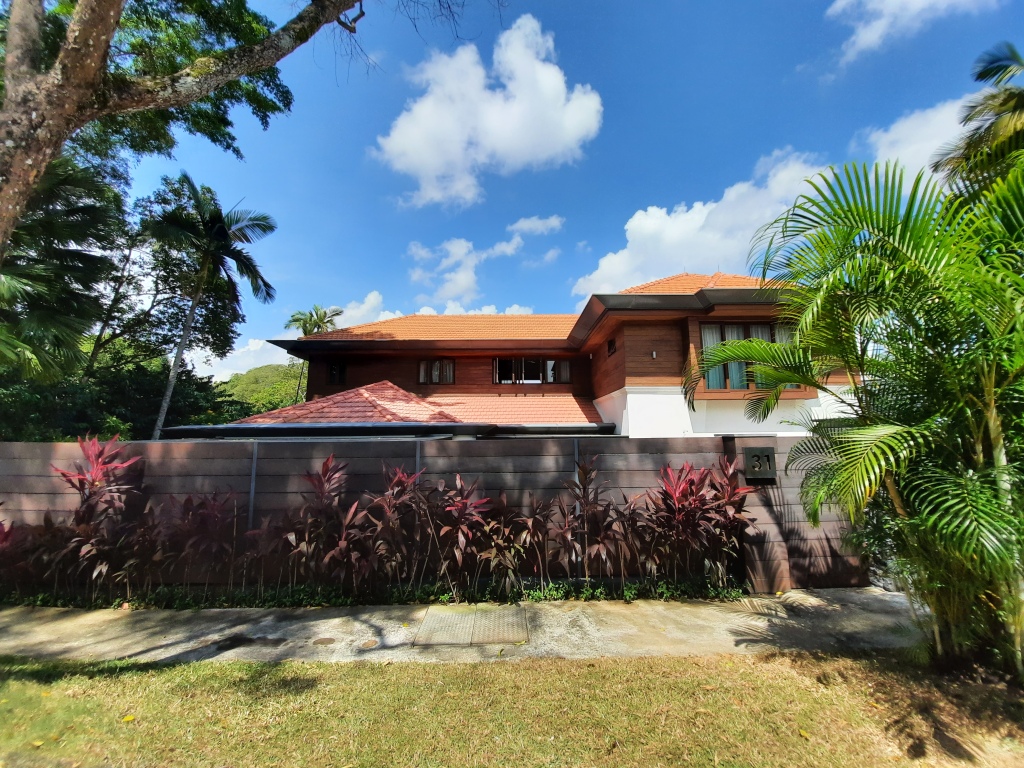
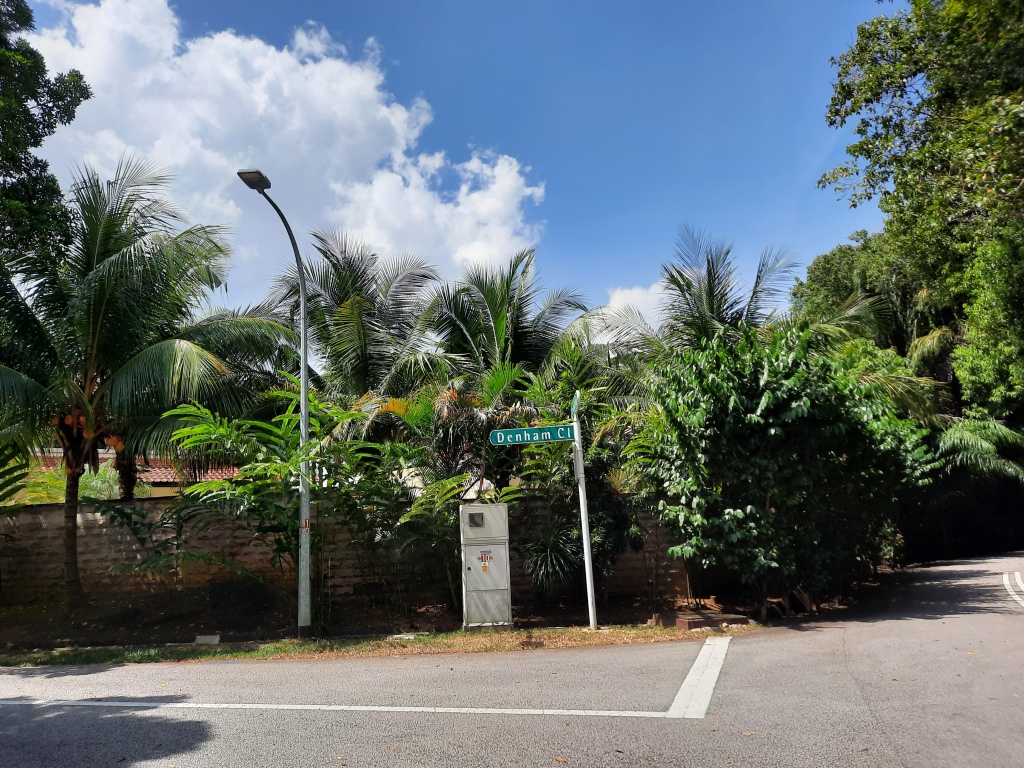
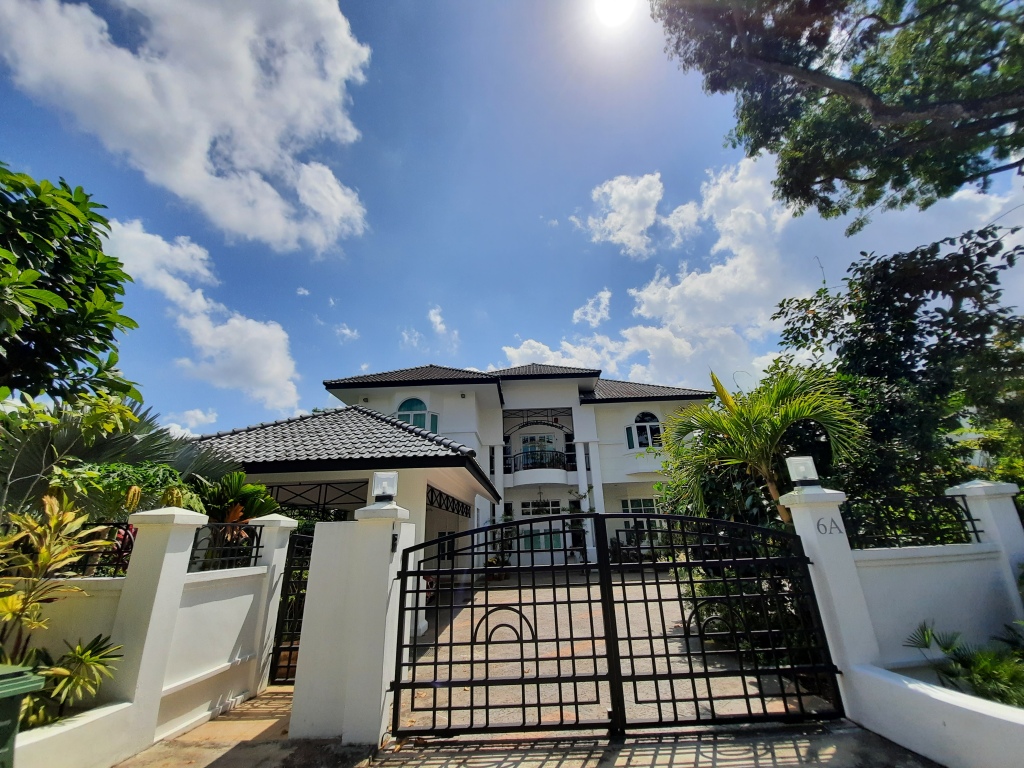
Kilburn Estate was likely named after an area in London within the Borough of Camden although the one here does not actually contain any road bearing such a name. Instead, Yarwood Ave forms the bulk of this GCBA with Wilmonar Ave and Denham Close being the minor roads. It is bounded by Dunearn Road and the landed estates of Hua Guan Ave and Jln Wajek, the latter of which is adjacent to the Rail Corridor.
The closest MRT is King Albert Park, with Link896 (formerly the Sime Darby Centre) and Esso being recognisable spots at the start of Yarwood Ave. The GCBs are about 200m away from Dunearn Rd, providing a more peaceful environment for residents. It’s a rather leafy estate, especially when you get to the cul-de-sacs and has a number of sizeable black and white bungalows.
For example, 27 and 29 Yarwood Ave make up almost 82,000 sqft of land. For those interested in purchasing a unit here, 23 Yarwood with an even more massive 69,000 sqft of land is on the market for about $90m. The seller is reportedly serial property investor Raymond Ng, who is also the CEO of listed company Envirohub so I am curious as to why he might not have considered redeveloping this plot of land himself.
There have been quite a number of transactions this year for a relatively small GCBA. In recent news, 34 year old crypto billionaire Zhu Su purchased a 31,862 sqft home in their 3 year old child’s name at $48.8m ($1,532psf) in Dec 2021. What a crazy world we live in today… (July 2022 Update: Zhu Su is selling his Yarwood GCB following the bankruptcy of his firm Three Arrows Capital)
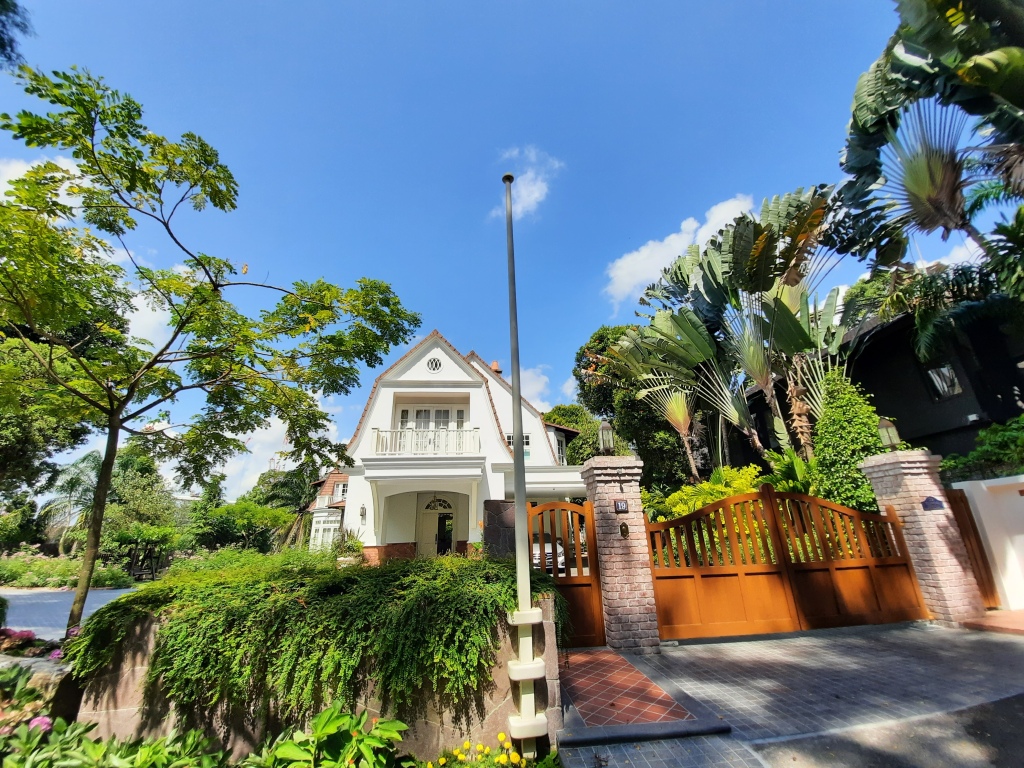
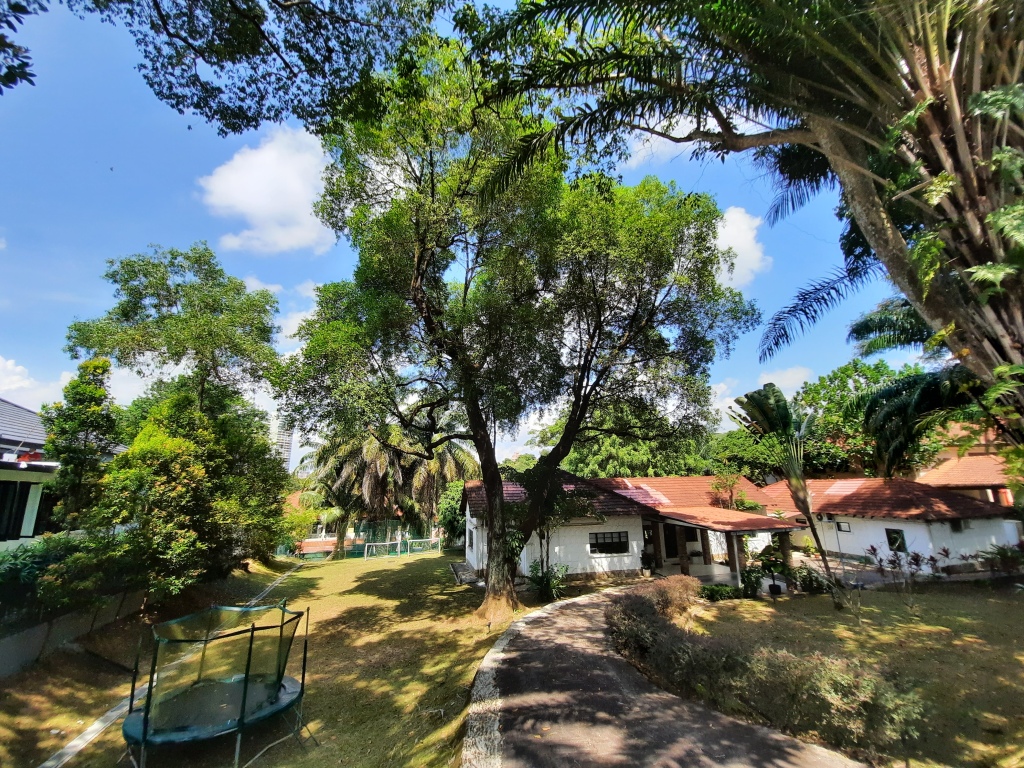
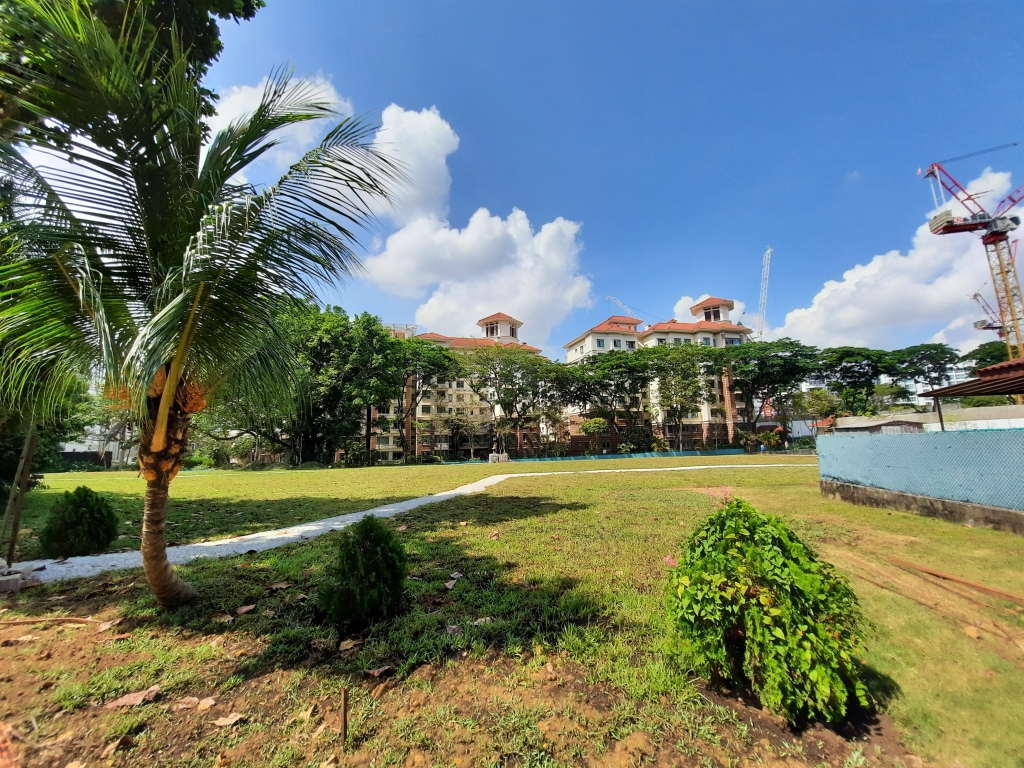
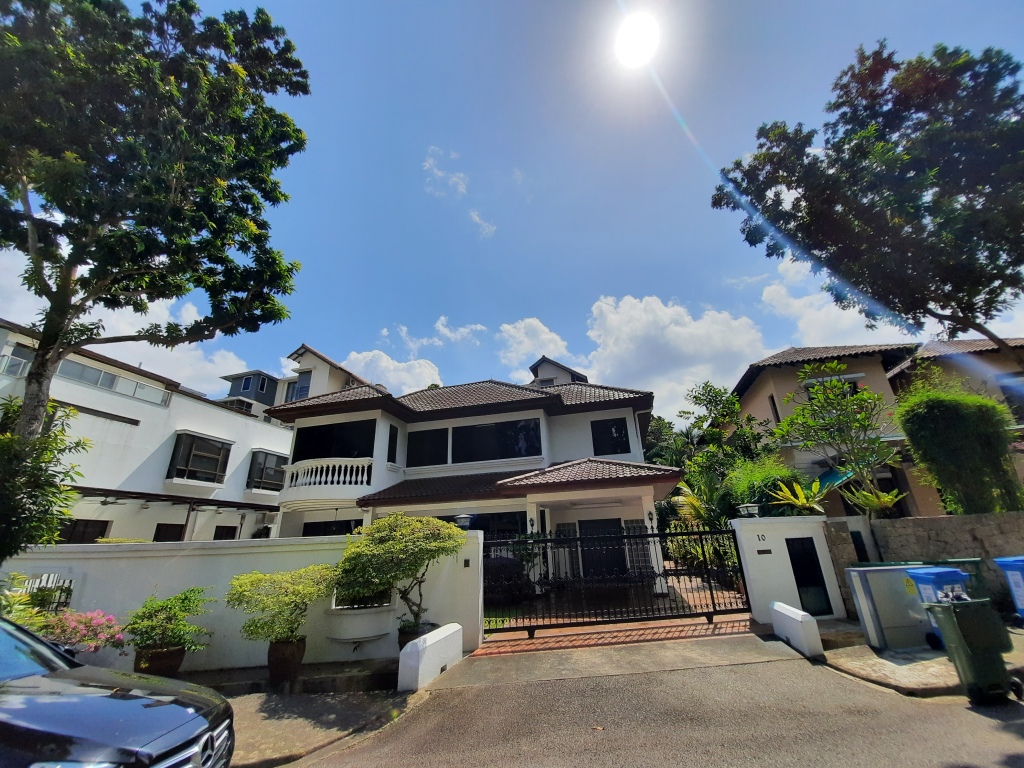
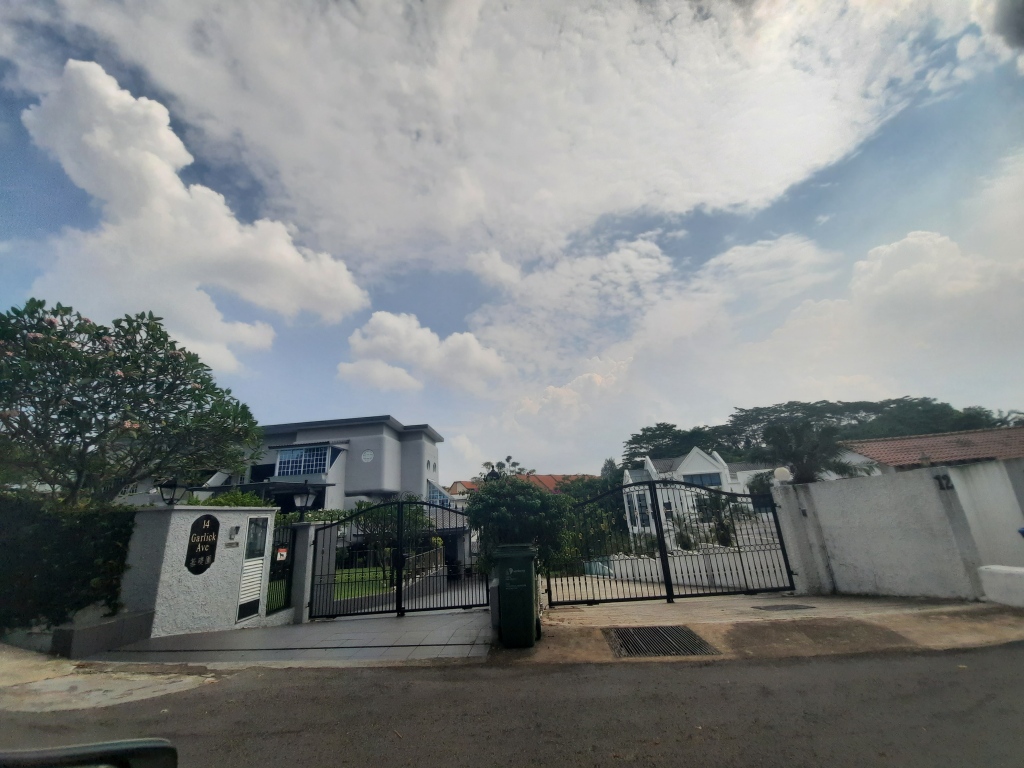
Garlick Avenue is located off Bukit Timah Road and can be accessed primarily from Old Holland Road or Sixth Avenue. Accordingly, it is very close to the 34ha site at Holland Plain (or commonly known as Old Holland Rd Field) which will yield some 2,500 new homes as part of the URA Masterplan.
Prominent residents in this GCBA past and present are rumoured to also include Sustained Land’s Douglas Ong, a boutique developer who has been relatively active in the new launch market with 3 Cuscaden, Sky Everton, One Meyer and Coastline Residences among their launches. Others include Nelly Rolles, shareholder of Poh Tiong Choon Logistics and Swiss wine industrialist Emil Strickler.










































































 Singapore Property Walkabouts
